
Hardware
Filter by tags expand
Click a tag to show matching hardware projects.
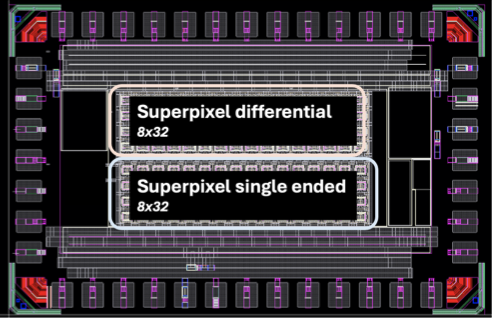 ASIC CMS28v2 – AI In-Pixel Readout Chip for HL-LHC Radiation-hard in-pixel AI filtering for the HL-LHC upgrade Full digital logic and layout of a radiation-hard pixel ASIC in 28nm CMOS with integrated neural network classifiers HEP ASIC In-Pixel AI AI Accel. Compression RadHard TMR TSMC 28nm hls4ml Arch. RTL ASIC Design Verification Tapeout Project details



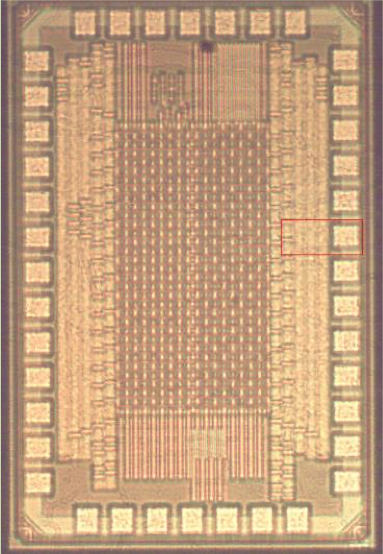
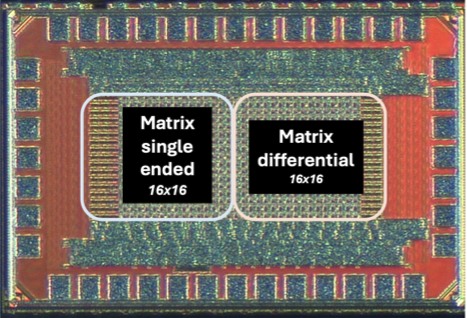
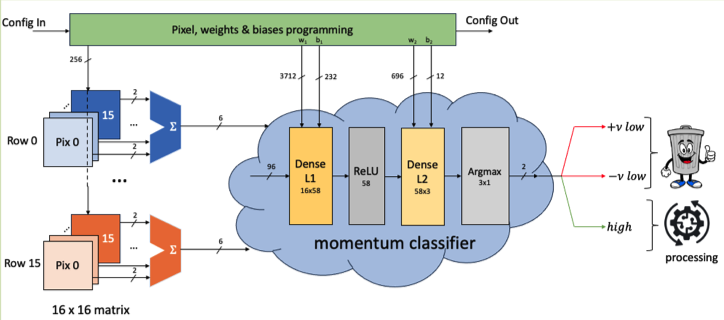
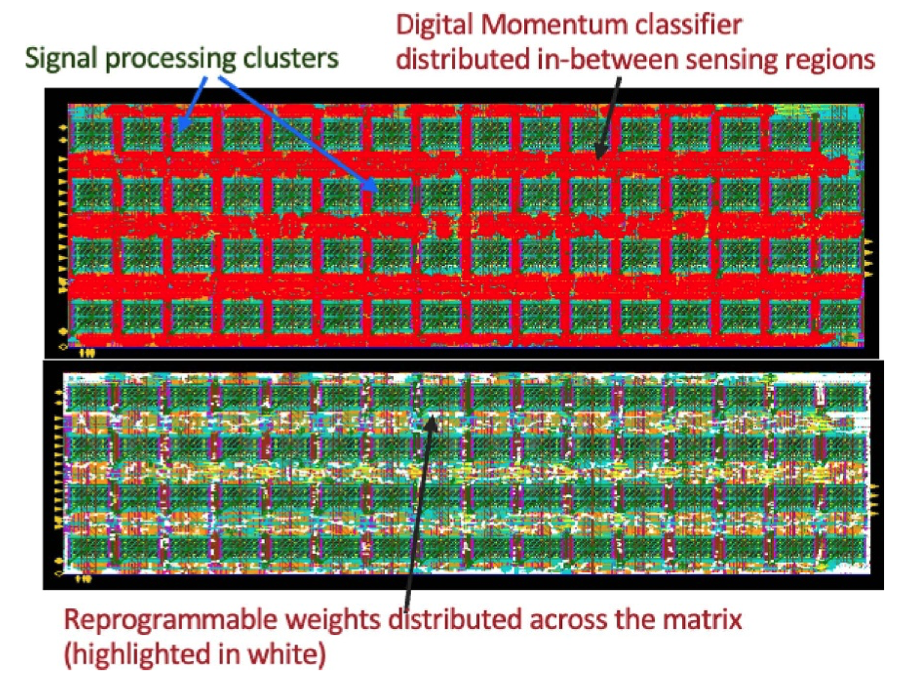
Designed and implemented the full digital logic and layout for a radiation-hardened pixel ASIC in 28nm CMOS. Integrated neural network classifiers using hls4ml and Catapult HLS to achieve sub-10ns latency with minimal area footprint. This chip is designed for the HL-LHC detector upgrade at CERN to perform on-sensor AI-based filtering of pixel cluster data in real-time.
Key accomplishments:
- Full RTL-to-GDS II backend flow with timing closure at target clock frequencies
- Sub-10ns neural network inference latency
- Radiation-hardened design patterns for HL-LHC environment
- Integration with detector front-end electronics
- Production-ready design for fabrication
 ASIC CITC2 - Cryogenic Mixed-Signal Readout ASIC Cryogenic mixed-signal controller and SPI readout ASIC Digital controller and readout for mixed-signal cryogenic ASIC with 200MHz timing Quantum Cryo Control ASIC Readout Mixed Signal GF 22nm RTL ASIC Design Verification Tapeout Project details
Digital controller and readout for mixed-signal cryogenic ASIC with 200MHz timing
ASIC CryoAI v2 - Quantum Control ML Accelerator Low-power cryogenic accelerator for quantum readout and control Low-power ML accelerator for quantum readout and control in cryogenic environment Quantum Cryo Control ASIC AI Accel. Readout GF 22nm Arch. RTL ASIC Design Verification Tapeout Project details
Low-power ML accelerator for quantum readout and control in cryogenic environment
 ASIC In-Pixel AI v1 - Photon Science Detector In-pixel neural-network compression for scientific detectors ML-based compression accelerator for photon science and particle detection Photon Imaging ASIC In-Pixel AI AI Accel. Compression TSMC 65nm Arch. RTL ASIC Design Verification Tapeout Project details
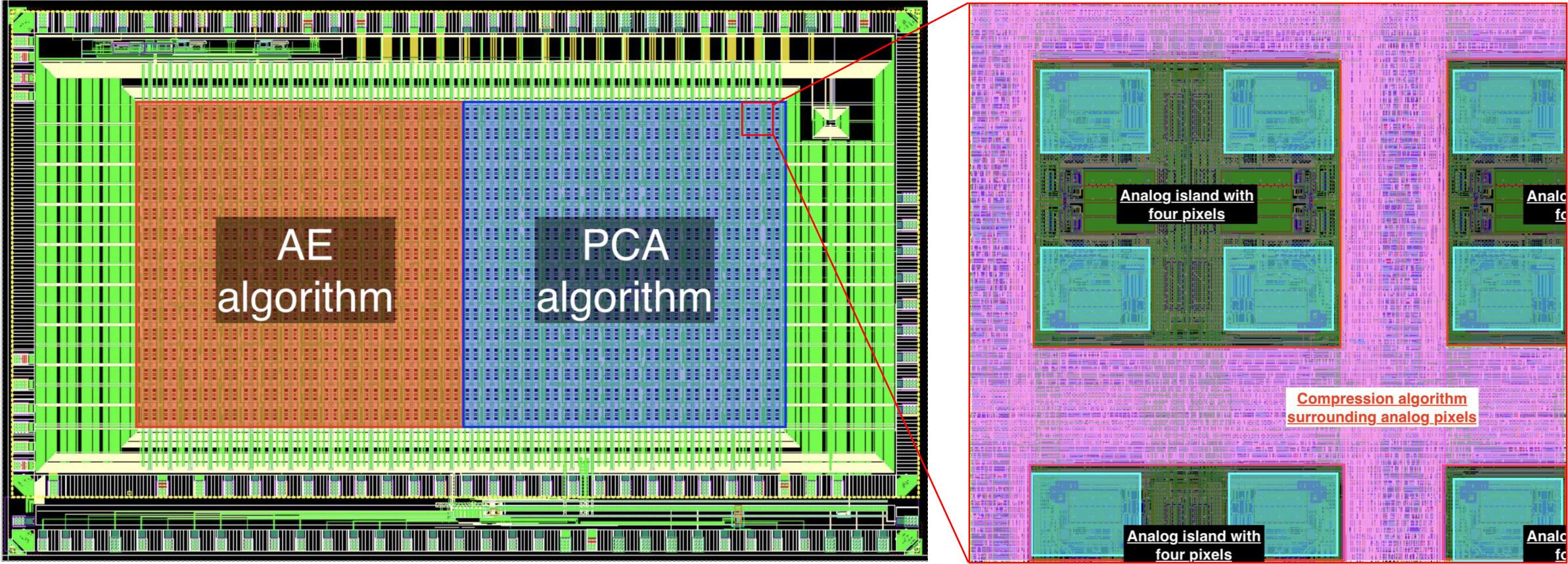
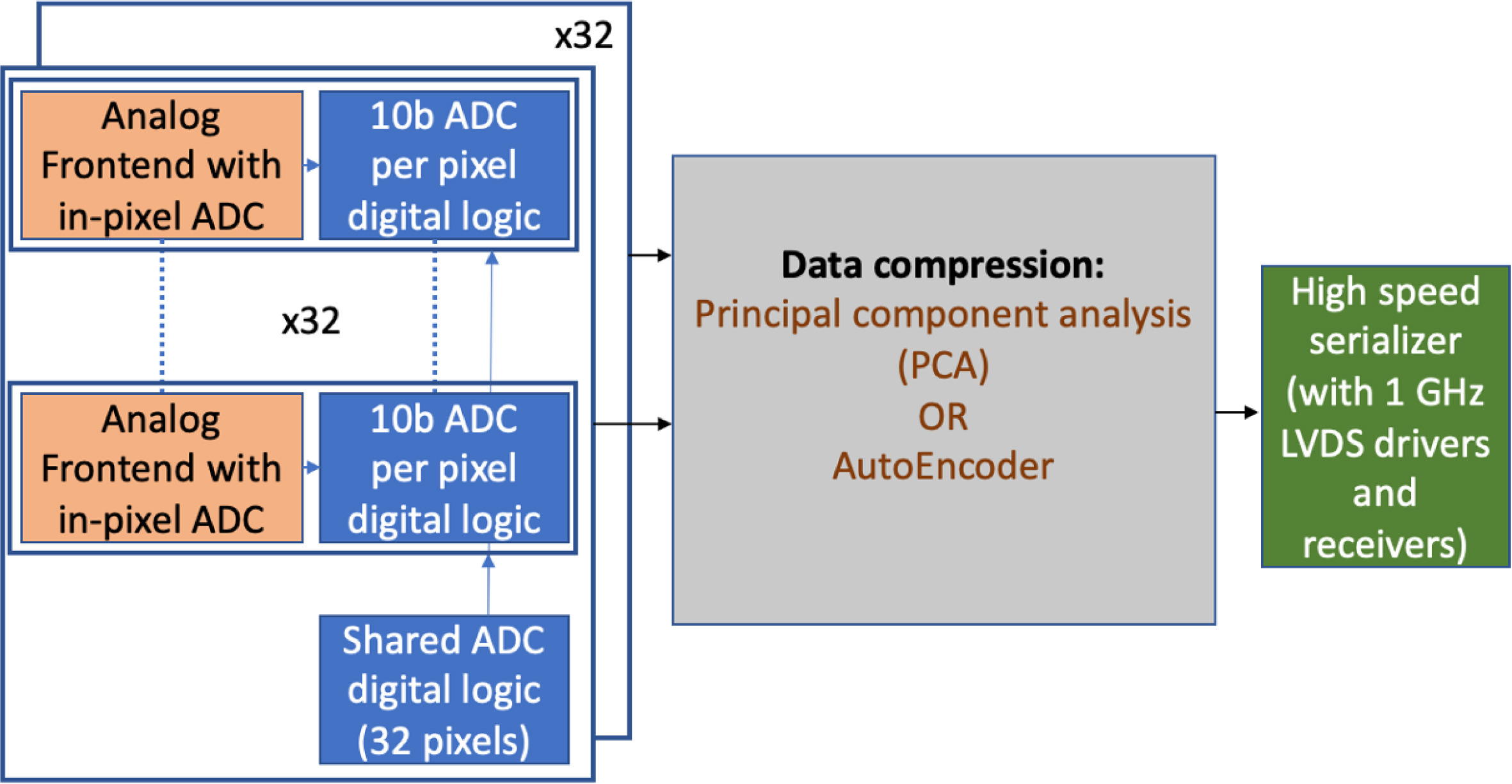
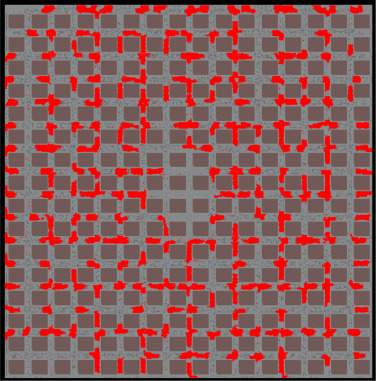
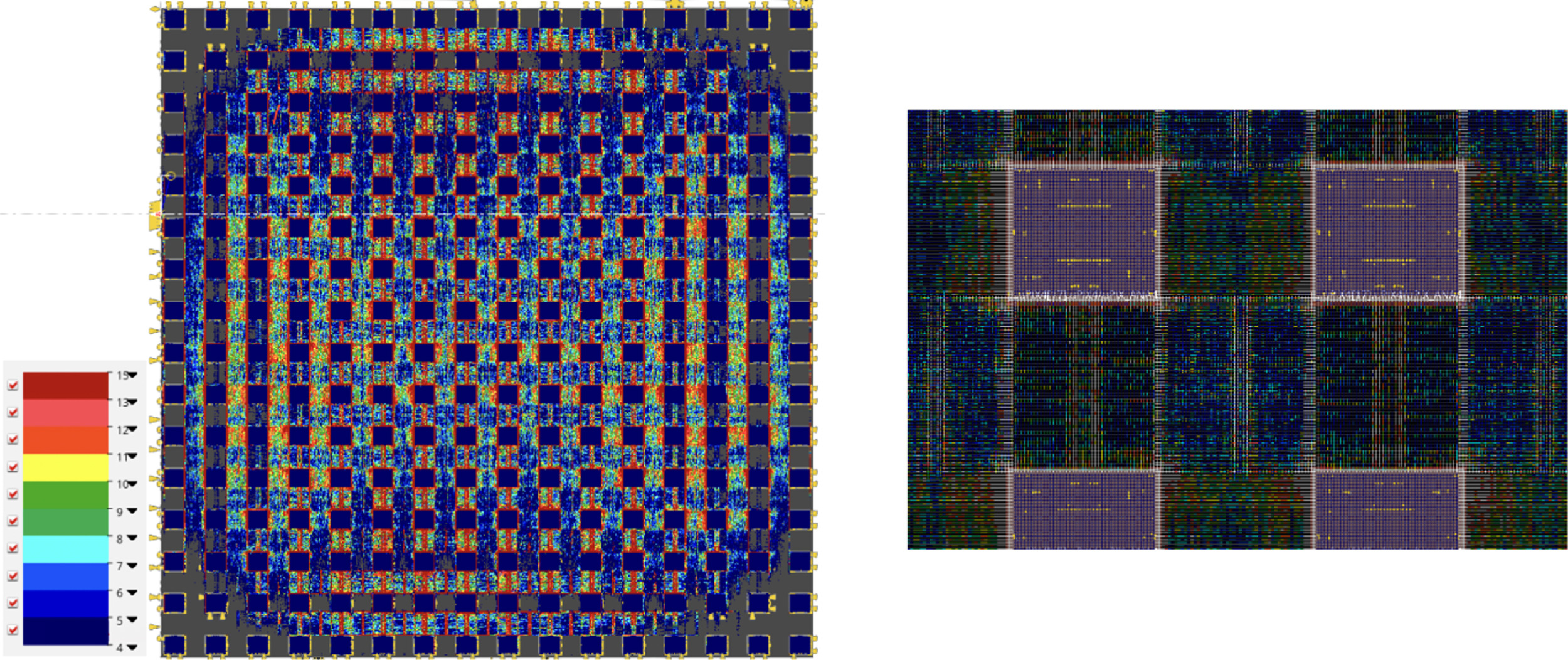
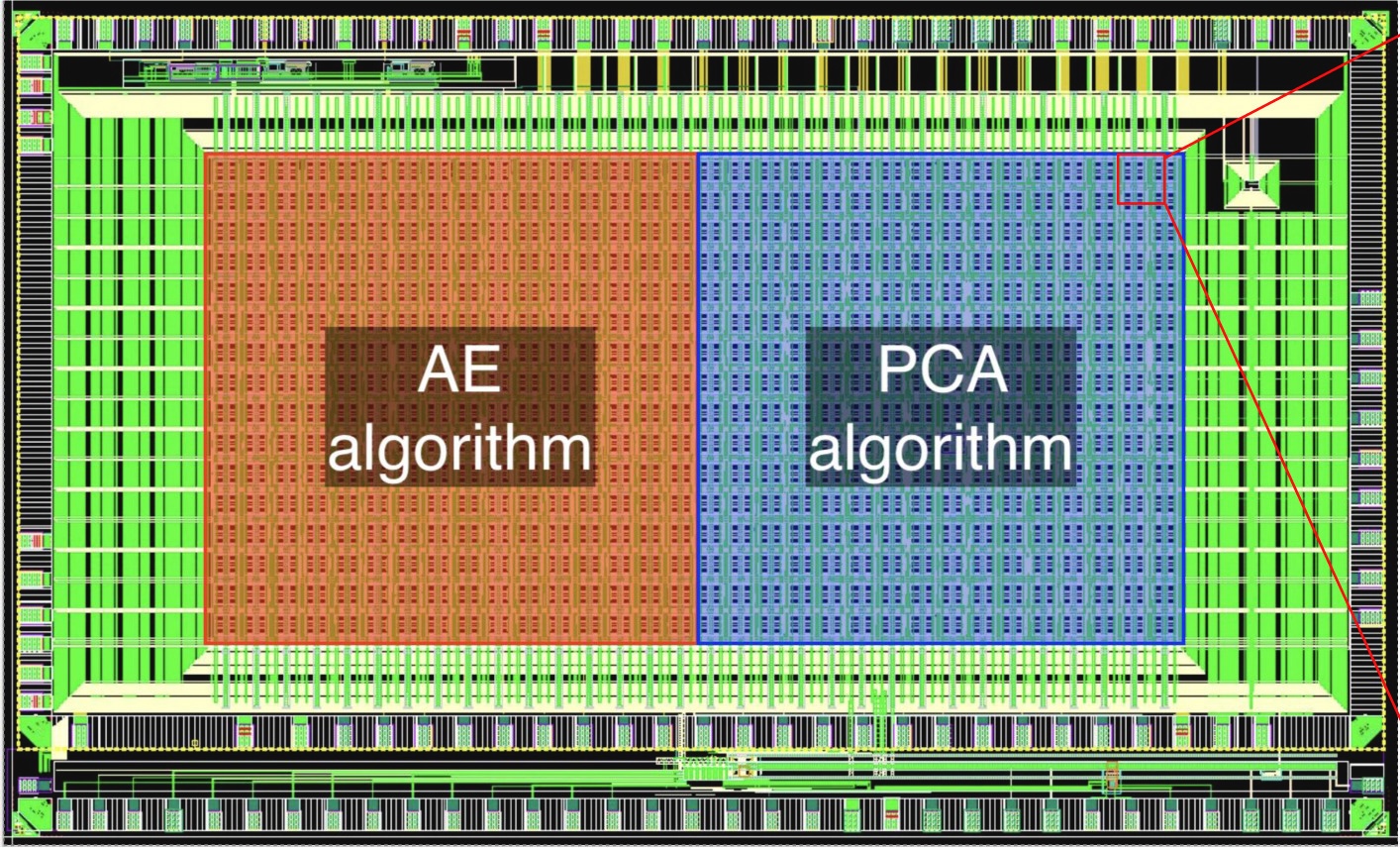
ML-based compression accelerator for photon science and particle detection
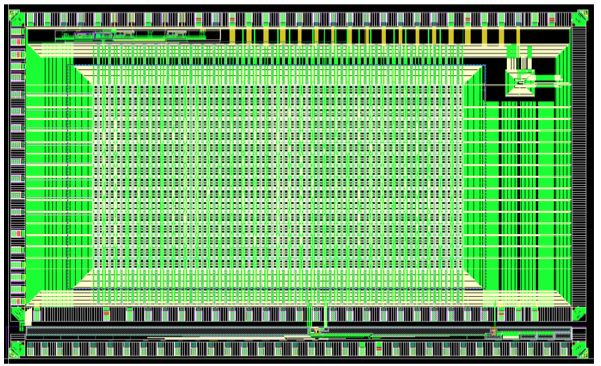 ASIC Sprocket v1 - xray imaging Radiation-hard anomaly-detection accelerator for particle physics Radiation-tolerant ML accelerator for on-edge anomaly detection in particle physics HEP Imaging ASIC AI Accel. Anomaly TSMC 65nm Arch. RTL ASIC Design Verification Tapeout Project details
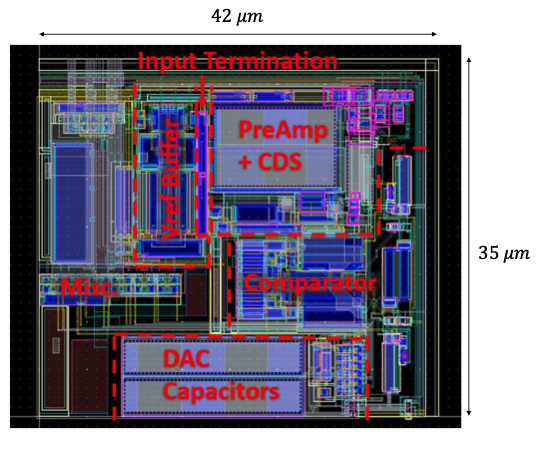
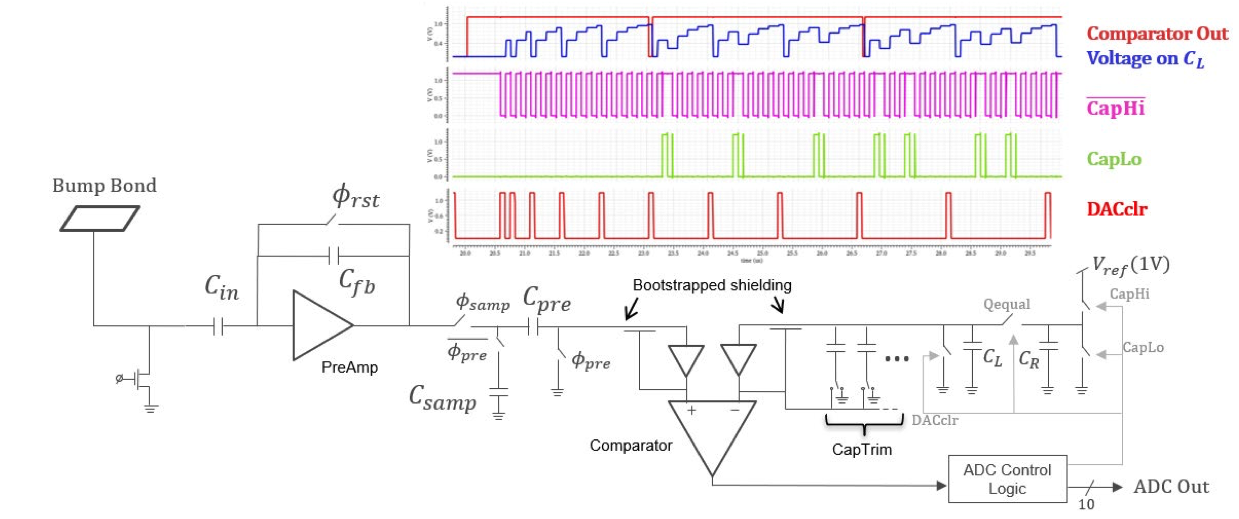
Radiation-tolerant ML accelerator for on-edge anomaly detection in particle physics
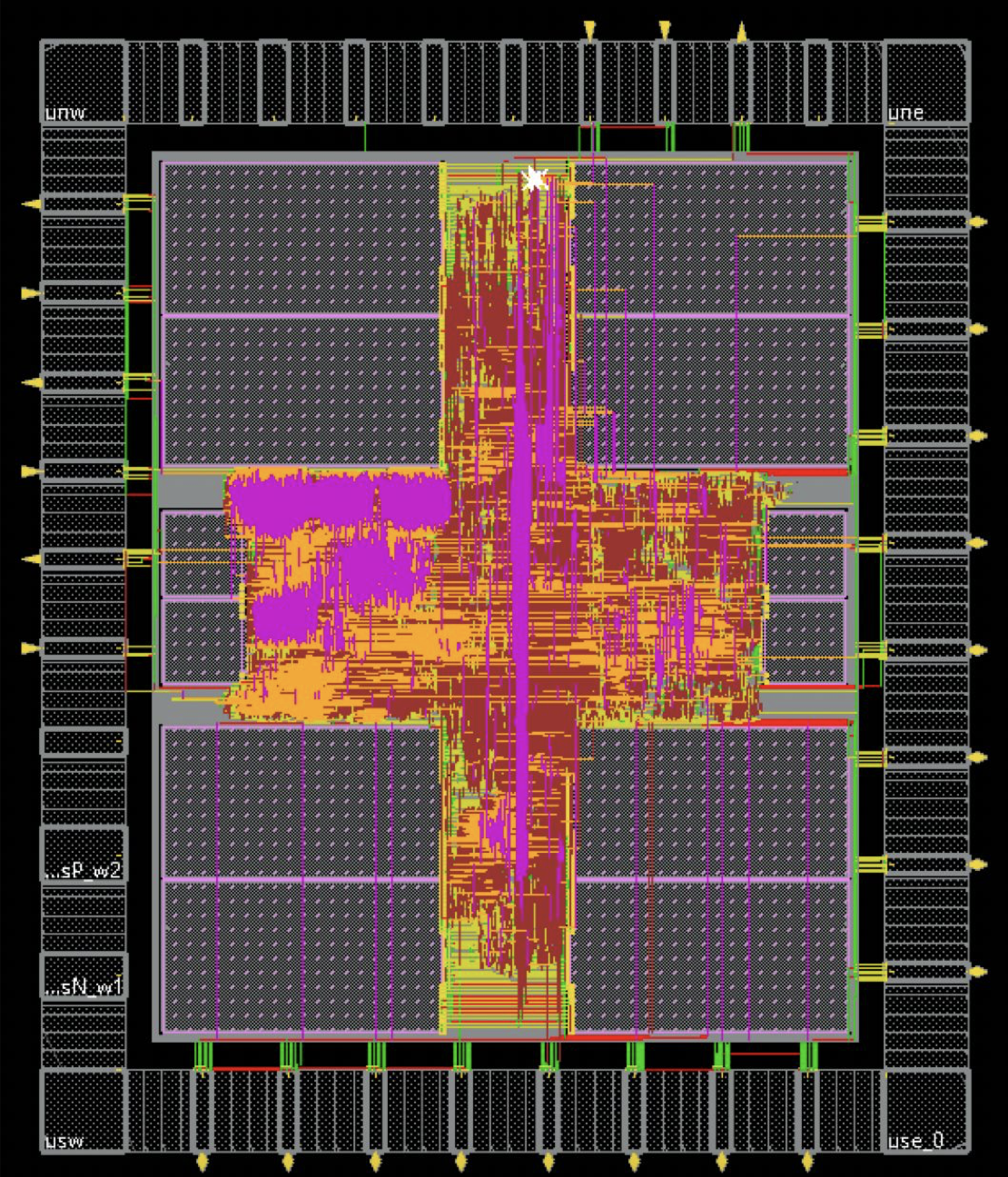 ASIC CryoAI v1 Cryogenic ML Accelerator Ultra-low-power ML accelerator with custom cryogenic memories and RISC-V Quantum Cryo ASIC AI Accel. GF 22nm Arch. RTL ASIC Design Verification Tapeout Project details
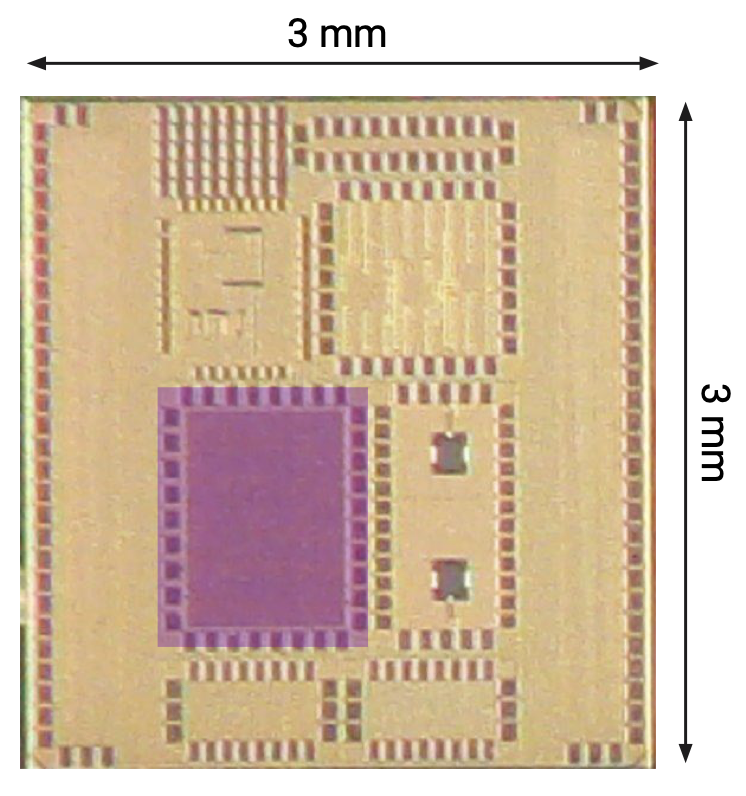
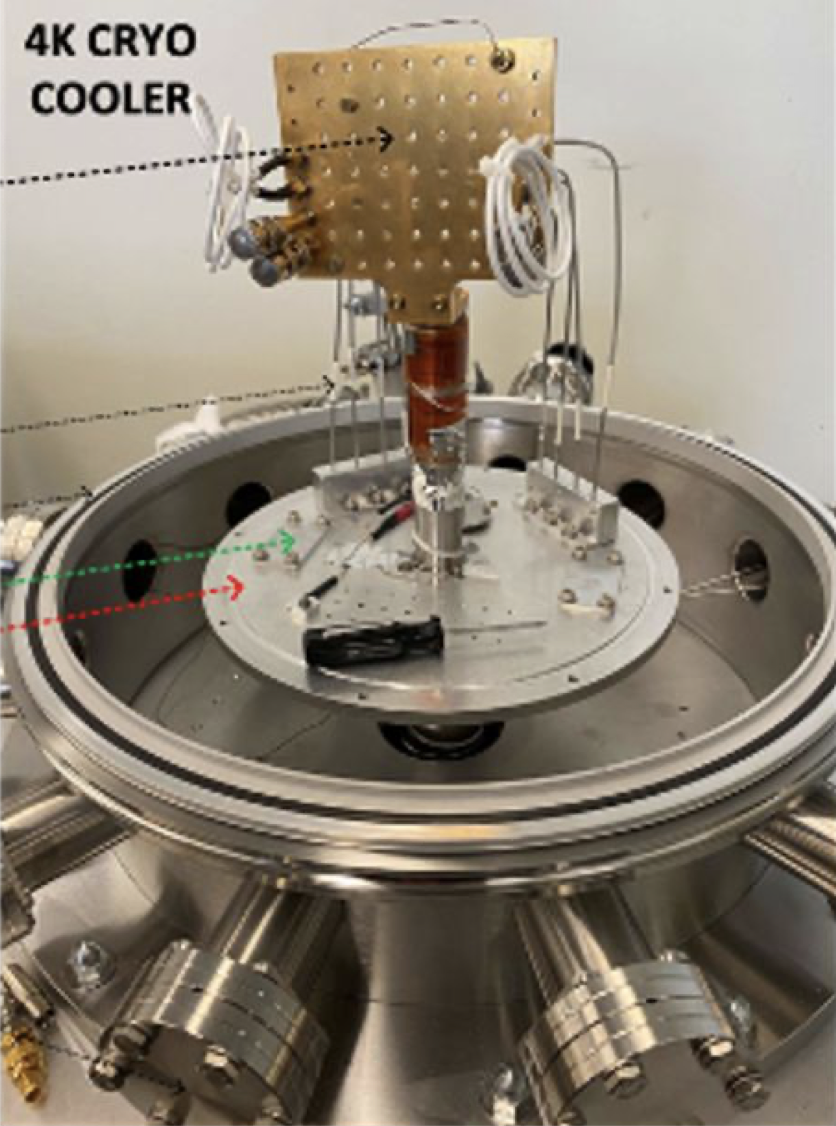
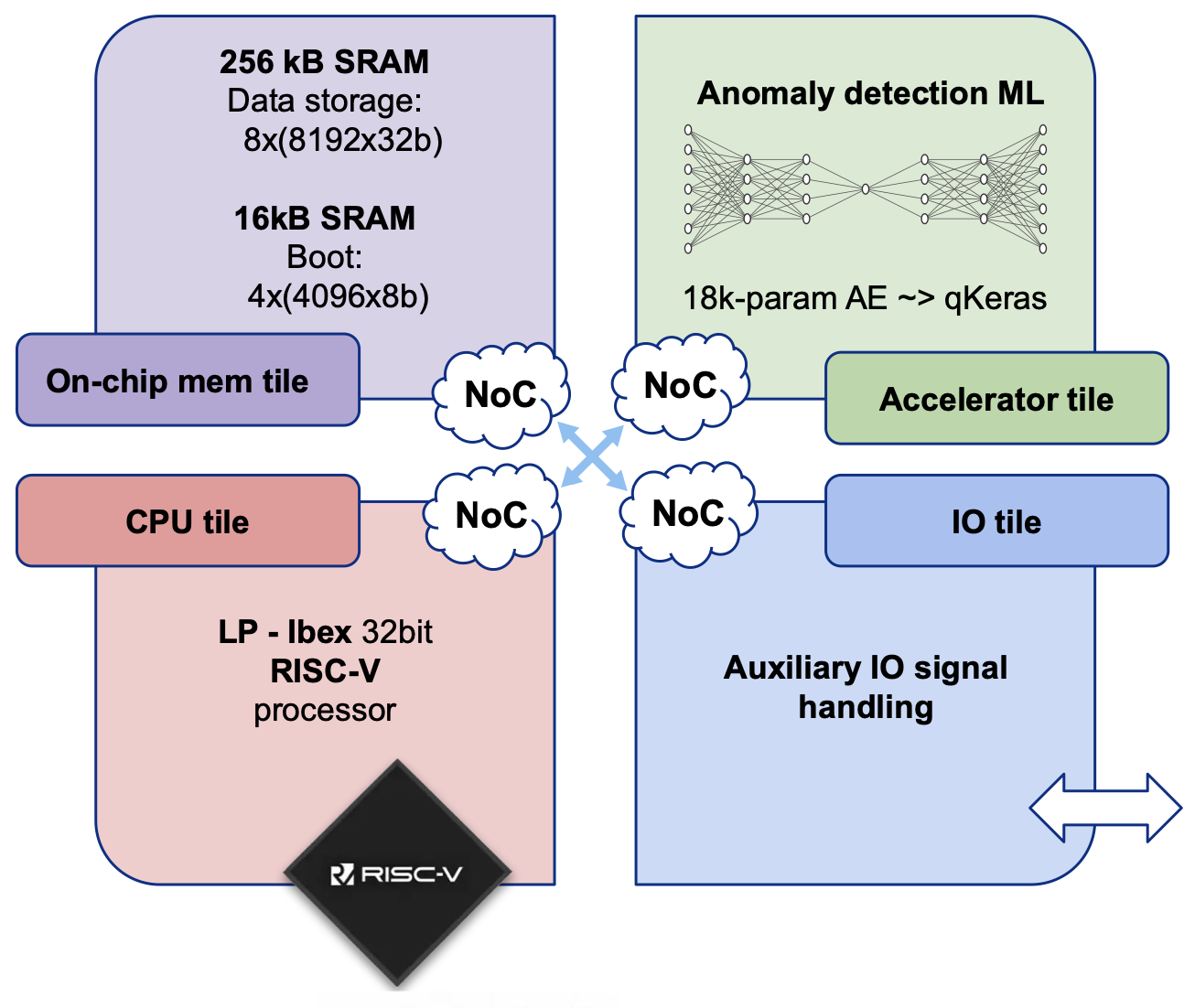
Ultra-low-power ML accelerator with custom cryogenic memories and RISC-V
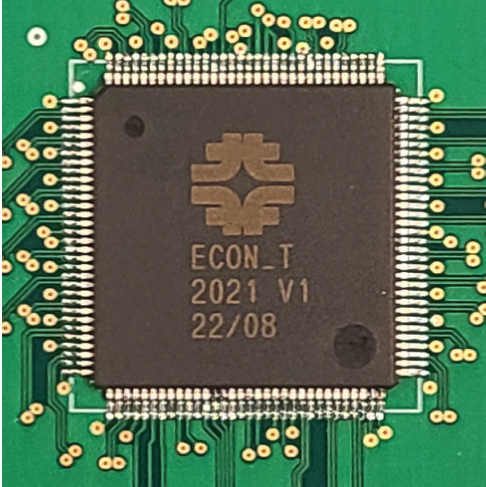 ASIC ECONAI-CMS v1 CMS Calorimeter AI Accelerator Reprogrammable AI accelerator for CMS calorimeter with radiation hardening HEP ASIC AI Accel. Compression RadHard TMR TSMC 65nm Arch. RTL ASIC Design Verification Tapeout Project details
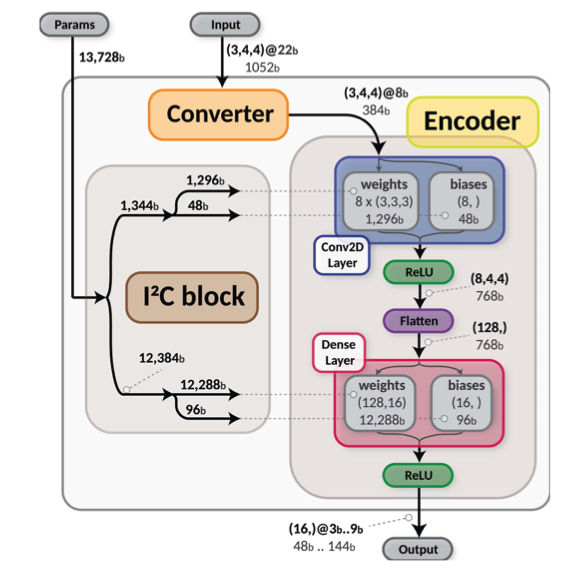
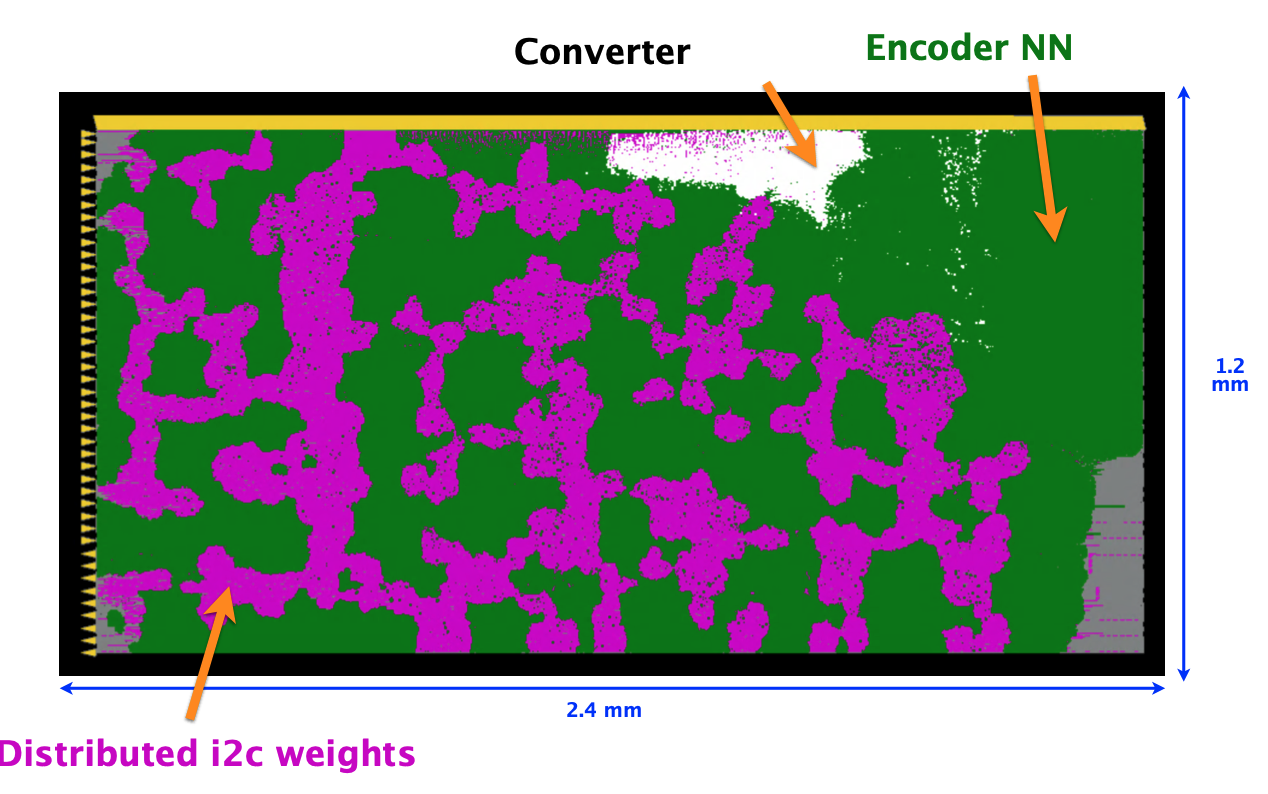
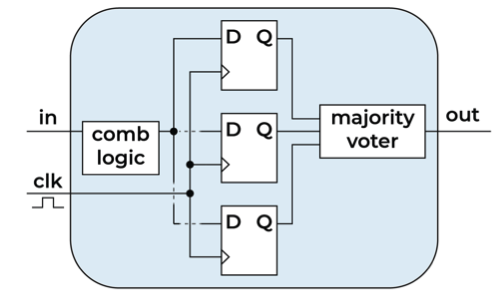
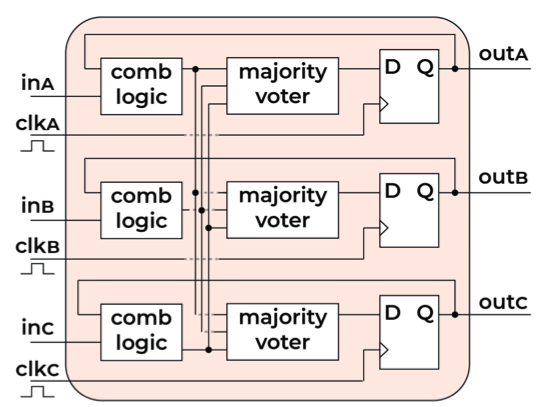
On-chip reprogrammable AI accelerator for the CERN CMS calorimeter, implemented in TSMC 65nm. The design handles extreme detector data rates and includes automatic triple modular redundancy injection for radiation hardening.